

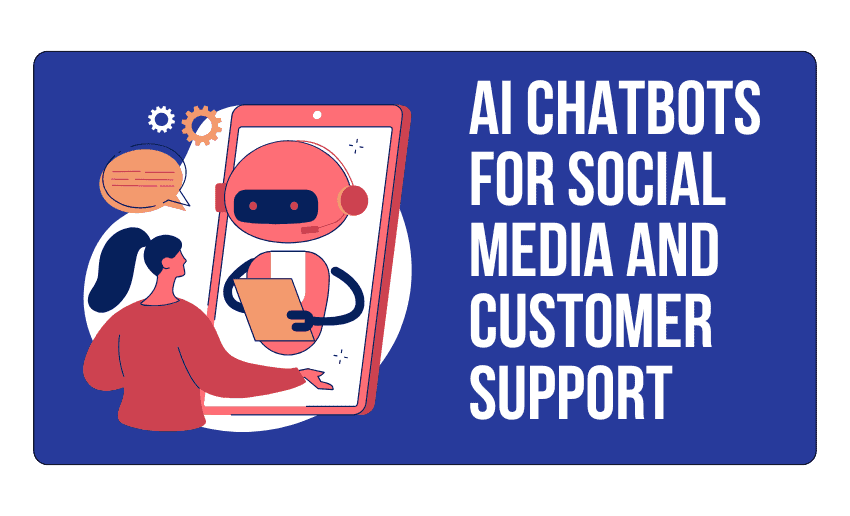
The goal of every communication effort is to pass information. And over time, brands, businesses and creators have come to understand that their audience needs faster answers to their queries. This rising demand has pushed businesses, and creators to look for smarter ways to manage messages and customer interactions without feeling overwhelmed; turning their attention to AI chatbot tools.
AI chatbots have quickly become an essential part of how people and brands communicate online. Built with advanced automation and learning capabilities, these tools are transforming how conversations happen across social media and digital channels.

In this guide on using AI chatbots for engagement and customer support, you will learn what AI chatbots are, why they matter, and how they can be used effectively. We will break down how AI chatbots help creators stay active in their inbox and allow brands to respond faster and serve customers better.
What are AI chatbot tools?
AI chatbot tools are smart software programs designed to communicate with people automatically through text or voice. They use artificial intelligence to understand questions, interpret user intent, and provide relevant responses. Unlike manual replies, AI chatbots can respond instantly, learn from conversations, and improve over time. They work by analyzing keywords, past interactions, and user behavior to deliver accurate and helpful answers without human involvement for every message.
There is a clear difference between basic chatbots and AI-powered chatbots. Basic chatbots follow fixed rules and only respond to specific commands or keywords. If a user asks something outside those rules, the chatbot may fail. AI-powered chatbots, on the other hand, are more flexible. They understand natural language, handle multiple types of questions, and adapt to different conversation styles. This makes them more useful for real-world social media and customer service needs.
How creators use AI chatbots for engagement
AI chatbots play a major role in managing large volumes of messages. As pages grow, handling hundreds or thousands of DMs, Mentions and Tags becomes difficult.

AI chatbots help creators and brands respond consistently without missing important inquiries. This ensures smooth communication, even during busy periods.
1. Automating direct message replies
Creators can use AI chatbots for social media engagement to automatically reply to direct messages (DMs) with relevant info such as content links, FAQs, or next steps. Instead of manually answering every message, AI chatbots can handle common questions instantly keeping conversations active and followers engaged. This lets creators respond at scale, maintain audience interest, and save time without losing a personal touch.
2. Welcoming new followers with personalized greetings
AI chatbots can send personalized greetings when someone follows a creator’s profile. These welcome messages can include links to popular posts, videos, newsletters, or even free digital products. This first interaction builds a positive connection, encourages deeper engagement, and makes followers feel valued right away. This is one way creators leverage chatbots to make social media more interactive and friendly.
3. Delivering exclusive content
Creators often have fans who want early access or exclusive content. AI chatbots can be programmed to send content drops like blog posts, behind-the-scenes videos, or event details directly in chat. These messages feel exclusive and timely, helping build anticipation. This shows how creators use AI chatbots to increase loyalty and guide followers toward meaningful interactions.
4. Running interactive polls
Instead of static posts, creators can host polls and quizzes using AI bots. Followers can participate directly in the chat, giving feedback or answering fun questions. This kind of interaction increases engagement rates and can also help creators gather audience insights like interests, preferences, and content ideas. These interactive features make audiences feel more involved and connected to the creator’s brand.
5. Collecting feedback or user opinions
Feedback is valuable for creators who want to improve their content strategy. AI chatbots can ask quick follow-up questions after events, launches, or collaborations. Instead of sifting through manual replies, chatbots compile responses, making it easy to understand what followers like or want next. This efficient feedback loop helps creators refine their approach and stay audience-centric.
6. Growing email lists and funnels automatically
AI chatbots can collect emails or user preferences right inside social media messaging. For example:
- Ask for an email to send a newsletter
- Offer a free downloadable in exchange for contact info
- Guide users into an onboarding sequence
This turns casual followers into deeper leads without manual effort. It’s a powerful example of how creators use customer service-style automation to grow their audience and nurture long-term supporters.
How brands use AI chatbots for customer support
Speed is one of the biggest reasons AI chatbots matter on social media. Fast responses make users feel valued and heard, which builds trust and encourages more engagement.

When people receive instant replies, they are more likely to continue the conversation, follow a page, or make a purchase.
1. Handling FAQs
AI customer service chatbots excel at answering frequently asked questions like business hours, shipping info, or refunds instantly with no human agent needed. This reduces response times and improves customer satisfaction because users get the answers they need without waiting in the queue. Faster answers also free up support staff to focus on more complex issues.
2. Order tracking and status updates
Brands often receive the same inquiries about orders or delivery status. AI chatbots can instantly retrieve order information and update customers via social media chat or website messaging. This real-time visibility means fewer tickets for human agents, better transparency, and happier customers especially during busy periods like product launches or holidays.
3. Appointment scheduling and reminders
For brands like salons, clinics, or service providers, AI chatbots can schedule appointments, send reminders, and give rescheduling options all within the chat window. Customers enjoy the convenience of booking without phone calls or back-and-forth messaging. This smoother process increases satisfaction and decreases no-shows.
4. Personalized product recommendations
AI chatbots can suggest products based on user inputs such as preferences or past interactions. By using data to personalize suggestions, these bots help users find what they need faster and can sometimes increase conversions. Personalized assistance keeps customers engaged and improves overall experience.
5. Escalating complex issues
Not every concern can be solved by automation. Smart AI chatbots detect when questions go beyond their scope and seamlessly escalate to a human agent. This ensures customers don’t feel stuck with a bot and receive expert help when necessary. The hybrid approach builds trust and confidence in the brand’s support process.
6. Collecting customer feedback
Brands can use AI chatbots to ask users how their experience was after an interaction or purchase. These tools can collect feedback efficiently, helping brands understand strengths and areas for improvement. Feedback loops powered by AI provide actionable insights without manual outreach.
7. Multilingual support for global audiences
Many AI chatbots support multiple languages, which helps brands serve a global audience without needing multilingual staff. This expanded reach builds brand trust and loyalty with customers from diverse regions. Supporting local languages also makes customer service more inclusive and accessible.
8. Crisis response and rapid communication
During unexpected events such as outages, recalls, or shipping delays AI chatbots can broadcast relevant alerts and instructions quickly across social channels. This helps maintain transparency and can calm customer concerns. Rapid, clear, and automated communication during crises strengthens brand credibility and trust over time.
How to choose the best AI chatbot system to use
1. Understand your business goals and needs
Before choosing any AI chatbot system, clearly define what you want it to achieve. Are you focusing on social engagement, customer support, sales, or lead generation? Knowing your goals helps you choose the right tool. For example, AI chatbots for engagement may prioritize conversational flows, while AI customer service chatbots focus on support accuracy and escalation features. A clear purpose ensures you invest in the best fit.
2. Conversational Intelligence
A powerful chatbot must understand user language in natural conversation. This is especially important when using AI to interpret slang, questions, or various sentence structures. Better Natural Language understanding means fewer misunderstandings and smoother interactions. Tools with strong conversational intelligence make interactions feel human, which improves engagement and trust over automated responses.
3. Multi-platform and channel integration
Choose a system that works across all platforms your audience uses like Instagram, Facebook, WhatsApp, websites, and messaging apps. This ensures consistency in every touchpoint. How business uses chatbots on social media depends heavily on seamless integration. A good chatbot should connect easily with your channels, letting users switch from one platform to another without losing conversation history.
4. Customization and brand personality
Your chatbot should reflect your brand voice and personality. Look for tools that allow easy customization of messages, colors, and responses. The ability to tailor prompts, greetings, and replies ensures that interactions align with your brand style. This is vital whether you are engaging audiences or providing support because it keeps conversations authentic and consistent.
5. Customer support and escalation workflow
AI chatbots should help resolve issues quickly, but some problems still require human support. Choose systems that allow smooth escalation from bot to live agent. Look for features like transfer to email, support ticket creation, or live chat handoff. This balance between automation and human touch improves overall customer satisfaction and shows you can use AI in customer service to boost engagement smartly.
6. Analytics and reporting capabilities
Data is essential for improving performance. The best systems provide clear analytics like user engagement rates, common queries, response times, and conversation outcomes. With this information, you can identify gaps, track improvements, and refine your chatbot strategy. Strong reporting helps you understand what works, what doesn’t, and how to make interactions more effective over time.
7. Ease of use and setup
Not all teams have technical developers, so choose a chatbot platform that is easy to set up and manage. Drag-and-drop builders, pre-made templates, and clear documentation make onboarding fast and painless. A simpler setup means you can launch quickly and start engaging or supporting an audience without weeks of coding or training.
8. Scalability and future growth
Your chatbot should grow with your needs. A solution that works well today might not support future volume, features, or channels. Evaluate scalability and be sure that the tool can handle more users, expanded features, advanced AI functions, or integration with CRM systems. Scalable chatbots mean you can expand from basic messaging to more advanced capabilities without switching platforms later.
Wrapping up
AI chatbots are an essential tool for anyone who wants to stay active, responsive, and competitive online. As social media continues to expand, AI chatbots for social media help creators and brands keep up with conversations, respond instantly, and build stronger relationships without burning out.
When used correctly, AI customer service chatbots do more than reply to messages. They improve trust, increase satisfaction, and free up time so creators and businesses can focus on growth and creativity. Understanding how business uses chatbots on social media also shows that automation works best when paired with human support and a clear strategy. The key is to start simple, test what works, and grow with AI for engagement and customer service at your own pace.